
Ichugakenyamap.webp

At its best, Kenyan coffee is quite remarkable with a quality and intensity rarely matched elsewhere. The coffees have a bold, effervescent acidity combined with delicious citrus fruit and berry flavours. Central Kenya continues to produce the peak of this quality, with Kirinyaga and Nyeri being the stand out districts year in year out.

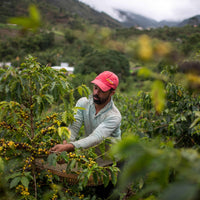
Ichuga is one of five wet mills within the Kiama Farmers’ Cooperative Society, founded in the mid 1990s to support small scale producers in Nyeri. The factory sits a short distance north of Karatina in Central Kenya’s coffee heartland, where red volcanic soils and high elevation shape some of the country’s most expressive washed coffees. Members live only a few miles from the mill and farm the rolling red earth under the shadow of Mount Kenya, growing SL28, SL34 and Batian on small plots above 1700 metres.

ichugaflavourchartkenya.webp

Ichuga captures the signature blackcurrant flavour and juicy intensity that has made Kenyan coffee world-famous, and we’ve kept the roast light to preserve this. Bold blackcurrant, redcurrant and cola notes create a clean, expressive fruitiness present from hot to cold. Bright lemon citrus and kiwi add structure and enhance the lively acidity, while syrupy molasses sweetness balances the taste, and supports the berry notes. As the coffee cools notes of red apple and brown spice build, with hints of vanilla carrying into a clean, layered finish.

We recommend drinking Ichuga without milk to best experience its clarity and structure, ideally on filter, aeropress or French press. If you prefer milk with your coffee the flavours will switch to a warming, satisfying cinder toffee and citrus curd on a butter like mouthfeel.

Ichugaillustration.webp

The cooperative does more than process coffee. It provides farming help, pre harvest financing and bulk purchasing of fertiliser and other inputs. It has also distributed shade tree seedlings from its own nursery to improve farm conditions and yields. This structured support helps members manage costs, stabilise production and maintain quality year after year.

Before fermentation, producers commonly re-sort their pickings by hand at the mill to separate out the ripest, most uniform cherry. This attention to detail builds structure and complexity in the cup. From there the processing follows the traditional Kenyan washed method of depulping, fermentation, washing in channels, and slow sun-drying on raised beds over around three weeks. The result is a layered, fruit-forward profile with vibrant acidity and clarity.

You may also like